welcome to my blog. take 2.
A few years ago, I started this blog and a newsletter with a view to writing about creativity, craft and connection. I proceeded to publish three posts in eight months before the project ground to a halt.
This was not entirely unpredictable.
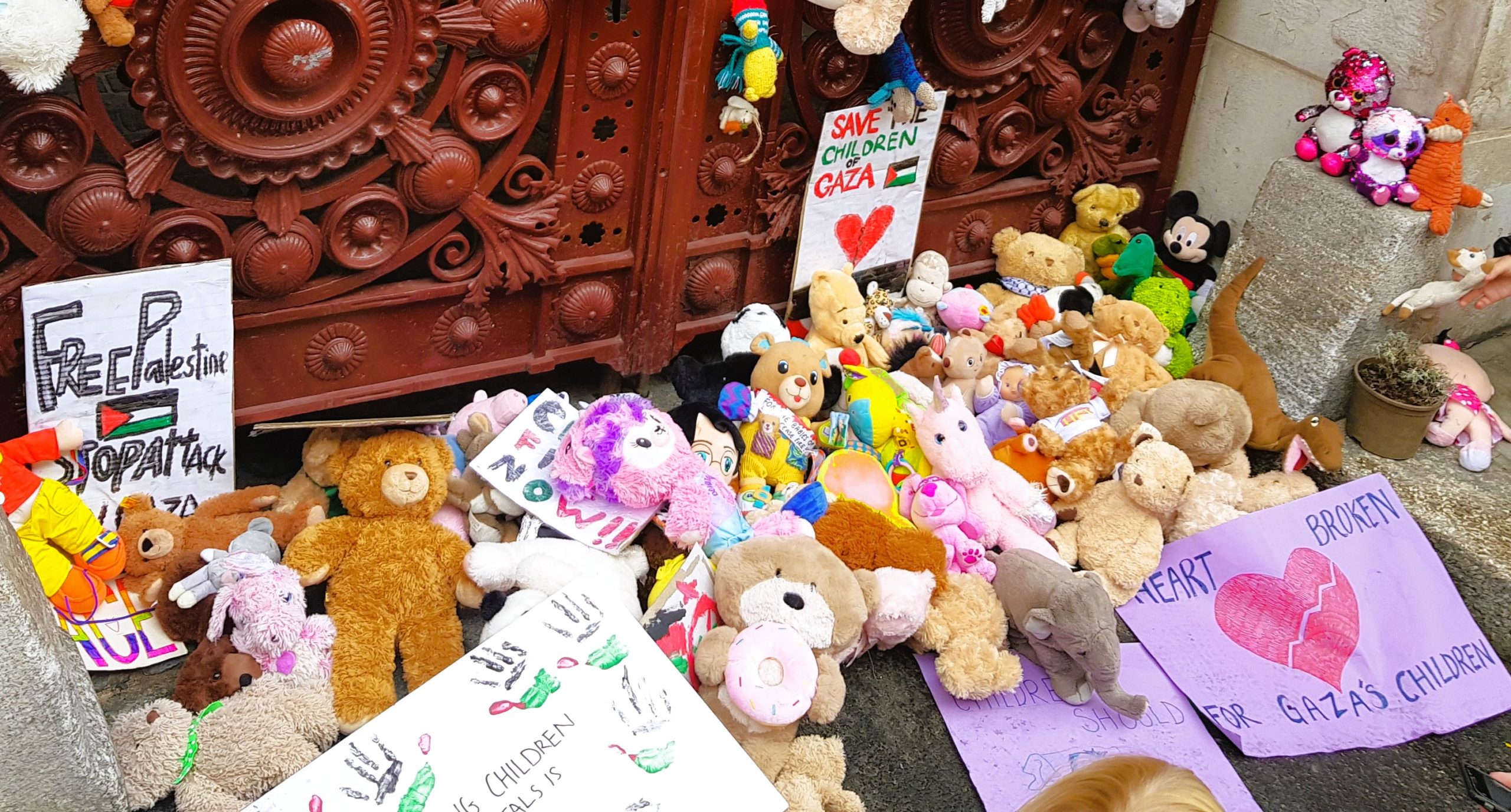
Firstly, as I wrote in the third post, in February 2024, I found it hard to write anything “meaningful enough” in the face of current world events, most acutely Israel’s genocide of Palestinians in Gaza, abetted by western governments.
Secondly, I have a history of abandoning writing projects soon after starting them. Since leaving academia in 2019 (and thereby the requirement to write academic publications), I have played around with different genres, making various attempts at short stories, personal essays, poetry and even novels. But aside from journaling, which I do fairly consistently, I have chronically struggled with getting beyond the starting point of many writing projects or otherwise getting stuck (and bored) halfway. Even blog posts take me a long time from idea to publication – I like to go deep, research, connect different themes. So even aside from the cycles of getting stuck and/or bored, the time this takes has not been easy to accommodate alongside client work (and parenting a young child).
Thirdly, and not unrelated to the first two points, I felt conflicted about the purpose of the blog. In fact, I drafted a couple of posts in the last year that I decided not to publish, as they felt too personal and/or political. In other words, I worried about my writing being “unprofessional” and not the kind of “content” you should share on your business website. As most guides about how to run your own freelance business will tell you, your website is your “shop front” and part of your “brand”. Blog posts should take the form of “content marketing”, always written with the needs of your potential clients in mind.
But I never figured out how to write like that, nor am I particularly interested in separating what is important to me personally and politically from my professional work.
So, the blog fell by the wayside.
That’s one part of the story, anyway.
Another is that in the last couple of years, I’ve been coming to understand myself as neurodivergent – a process that included being diagnosed as autistic.
Last autumn, I celebrated (yes, celebrated) the first-year anniversary of my diagnosis, but it still feels like I’m only scratching the surface of this new personal reality, in terms of understanding and trusting my own experience, and untangling the effects of four decades of masking.
In other words, I always come back to writing.
During these last couple of years, I have done a lot of writing – journaling, mostly, alongside messy, fragmentary poems. But I also drafted (with many stops and starts along the way) my first complete piece of creative non-fiction – a personal essay weaving together some of my thoughts about the relationship between writing, “truth-telling” and autistic self-discovery. I’m currently preparing to submit this essay to a literary journal, but whether it ends up published or not, the fact that I finished this piece, when nobody was asking me to write it, nor waiting to see it, has been important for my belief in my own capabilities as a creative writer.
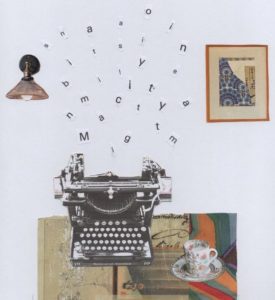
In other words, I always come back to writing. It is how I process, think, untangle and work out what I feel. Even when I can’t stick to writing projects or write coherent blog posts, I turn to the pages of my notebooks.
We spiral and swirl and circle back as our energy ebbs and flows and our attention and interests flow in different directions – often returning to “abandoned” projects, meaning they were never abandoned in the first place.
My new understanding of myself as neurodivergent has also led to a new hope: that writing those more coherent pieces may become a little easier. For one, this self-knowledge has given me some previously absent self-compassion about why I sometimes struggle so much with writing, despite my strong desire to do it. It has given me important insight into the roots of those struggles, including burnout, overwhelm and struggles with “task initiation”, but also masking (and related people-pleasing), which can show up in particularly insidious ways and immobilise me when I try to write for publication. I’ve found Marta Rose’s concept of “spiral time” particularly powerful in undermining shame about not finishing pieces of writing in an “efficient” manner. As I learned last year from Marta on the Neuroqueering Your Creative Practice course, neurodivergent creative practice rarely unfolds in a linear manner.[i] We spiral and swirl and circle back as our energy ebbs and flows and our attention and interests flow in different directions – often returning to “abandoned” projects, meaning they were never abandoned in the first place.
returning to creativity, craft and connection
I recently moved my website from Wix, to participate in the boycott in solidarity with Palestinians. While researching alternative web hosts and plans, I revisited the question of whether I want to write a blog and/or newsletter.
And what I keep coming back to is this: I still want to write about creativity, craft and connection. And: I don’t want to compartmentalise my personal and political writing from my professional identity – I have spent too much energy for too long presenting different versions of myself to different people (i.e. masking). Neither do I want to participate in a façade of “business as usual”, where genocide, coloniality, rising fascism and climate crisis are not acknowledged or circumvented to avoid appearing “political”.
I want to continue thinking and writing about creativity from a critical, anti-capitalist and social justice-oriented perspective (something I started in this blog post): an expansive, community- and world-building creativity. From a more personal perspective, as a “recovering” academic and late-diagnosed autistic person, reconnecting with creative practice has felt like a complicated but necessary, life-giving process, undeniably connected with my sense of identity and self. It is something I want to continue exploring, not just privately, but also in conversation with others.
As someone who spends many of my waking hours thinking about and immersed in written words – for work, for fun, and most of all as a necessary personal practice of meaning-making – it is possible I also have some useful insights to share on the topic of writing craft. I want to clarify and discuss what I have learned about crafting engaging and powerful prose – as an editor and writer, but perhaps most importantly as a reader – with a particular focus on how we can write to make a difference: how we can communicate our ideas, experiences and research in ways that are compelling and authentic.
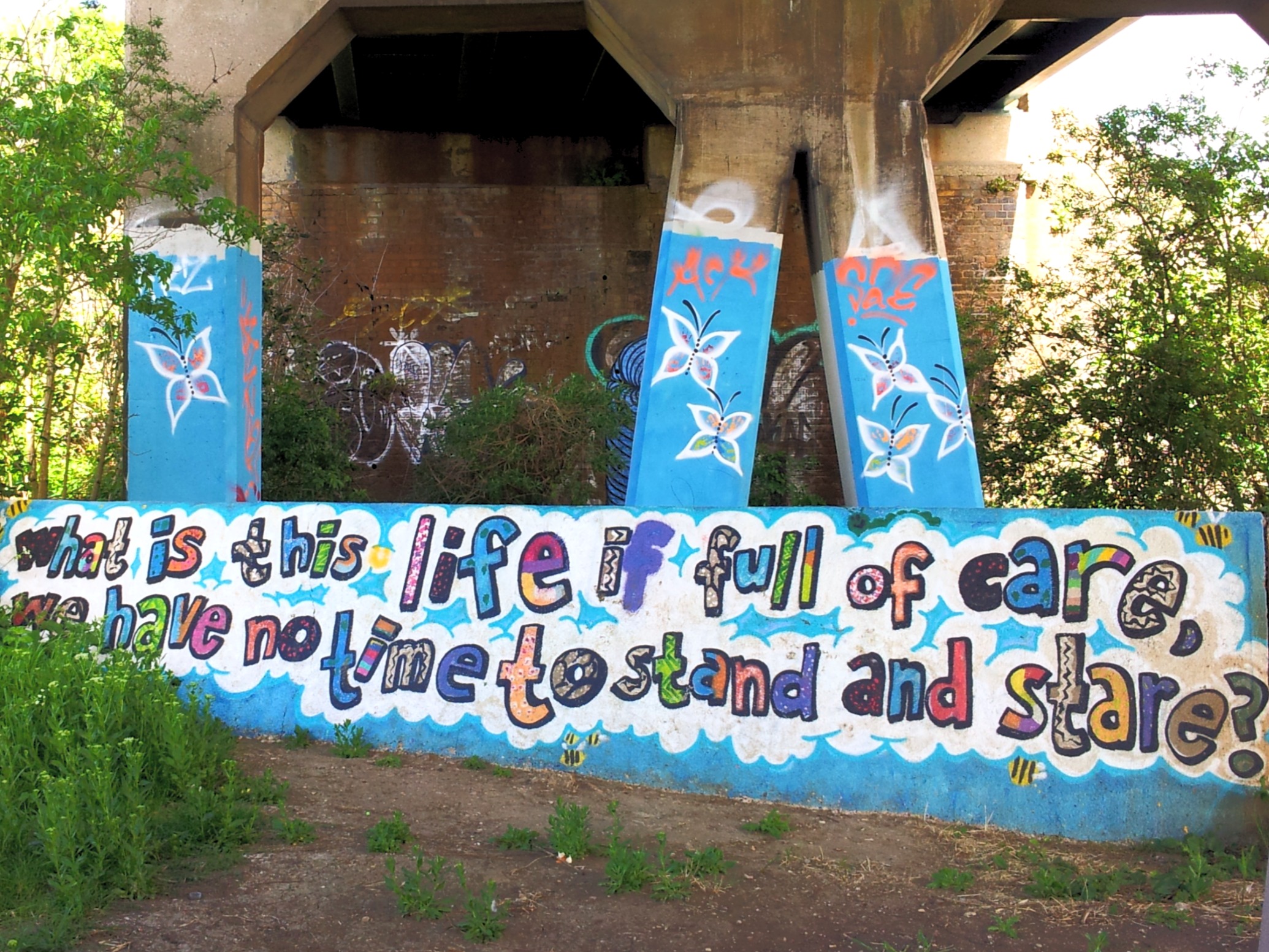
And then there’s connection… the word feels both trite and profound, but it is one that continues to compel and propel me. When I started my editing business six years ago, I decided to call it write/connect, because those two words, in my mind, feel so linked and so central to what I am interested in. Writing, for me, is about connection: I write to connect – with myself, with others and with what is happening in the world.
…writing towards connection feels like one way to orient towards social justice.
Given the current world system is predicated on disconnection – on separating different groups of people from each other, dehumanising those considered “other” – writing towards connection feels like one way to orient towards social justice. It reminds me of a powerful passage from Elaine Castillo’s How to Read Now, in which she challenges the American (and, I would say, more broadly Western capitalist) obsession with “freedom” – particularly the idea of artistic freedom as a right to create whatever you want without any need to consider your connection to or impact on others:
But what if our artistic practices were founded not on the presumption of artistic freedom – certainly, at least, not the individualistic, late capitalist brand of American freedom? … What if art was the space not for us to enjoy our freedom, but for us to encounter our bondages – and our bondedness? That in our art making and our art consumption, we paid attention not just to the things that made us feel free, expansive, containing multitudes, but to the things that remind us we are not just free but delimited – the things that make us feel our smallness, our ordinariness, our contingency, our vulnerability and reliance? The things that make us feel not neutral but named – actually known by the world, so that we might be truly in it, and of it? (pp. 72–73)
Since reading this book last year, my thoughts have returned again and again to Castillo’s notion of bondedness, particularly as I’ve been grappling with my own understanding of creativity, as well as my own feelings and struggles around “art making”. It strikes me that Castillo’s bondedness has something in common with my belief that writing is (or at least can be) about connection: it can move us towards being “known by the world, so that we might be truly in it, and of it”.
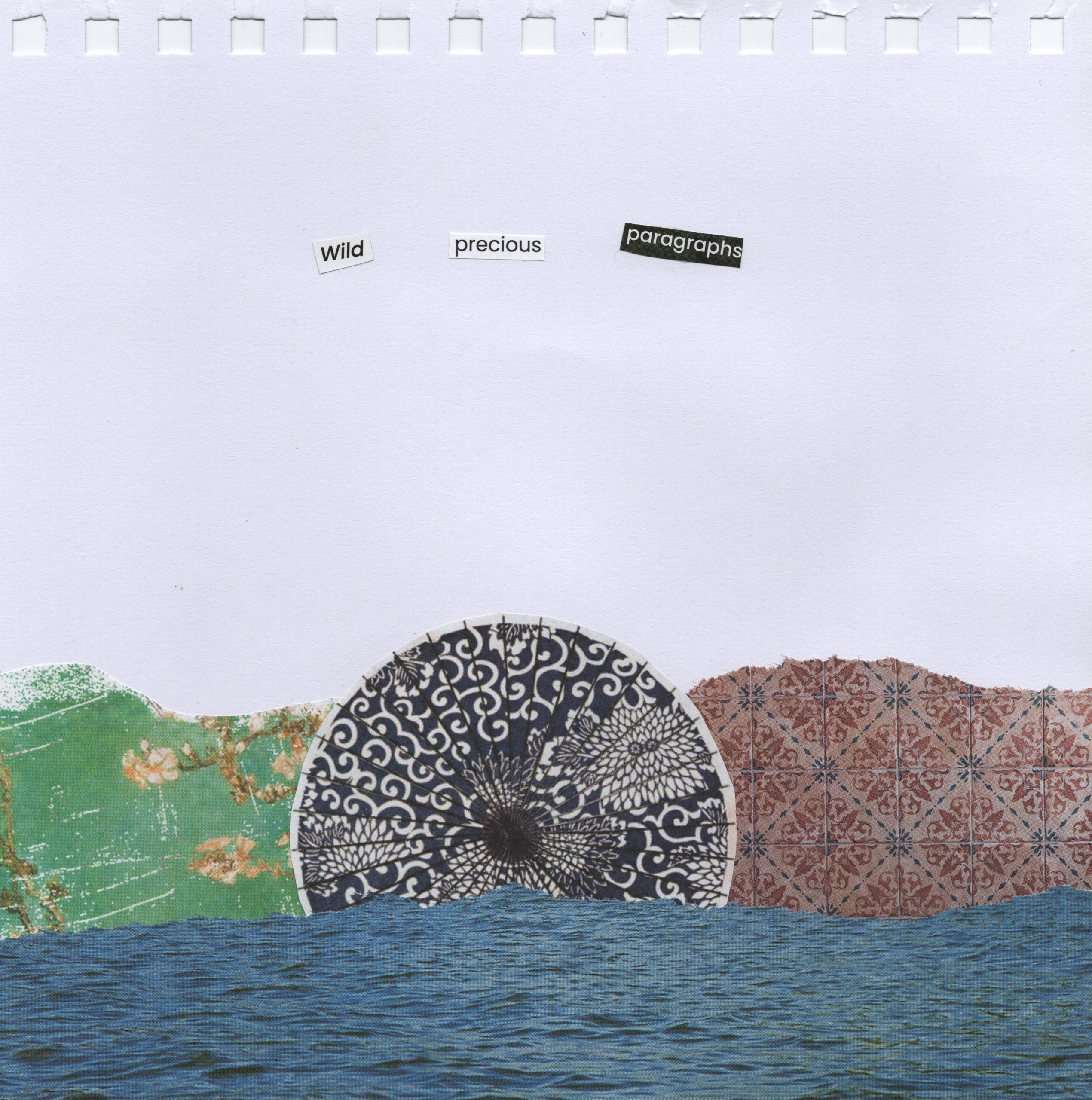
So, I am reviving the blog. I plan to use this space to share my reflections, learning and research in various forms – mini-essays, deep craft dives into compelling non-fiction books, more creative and experimental pieces, potentially some interviews down the line – as I continue being fascinated by writing and creative practice, and particularly the ways in which these can help us connect with each other and orient us towards a more socially just world.
If you want to follow along, writing, thinking and learning together, I would love it if you would sign up to my newsletter (below), where I will share new posts and other updates.
[i] I highly recommend this course, co-facilitated by KR Moorhead, Meg Max and Marta Rose.